Hardening is a service, not a checkbox
A server hardened once and then left alone drifts back to soft. Why hardening is a state you keep rather than reach, and what changes once agents run on it.
- hardening
- KyberLinux
- KyberCell
How we intend to work: deploying Kyber in a business, hardening KyberLinux, rules for agents, devices for a team, the SLA and why the exit clause matters most.
A server hardened once and then left alone drifts back to soft. Why hardening is a state you keep rather than reach, and what changes once agents run on it.
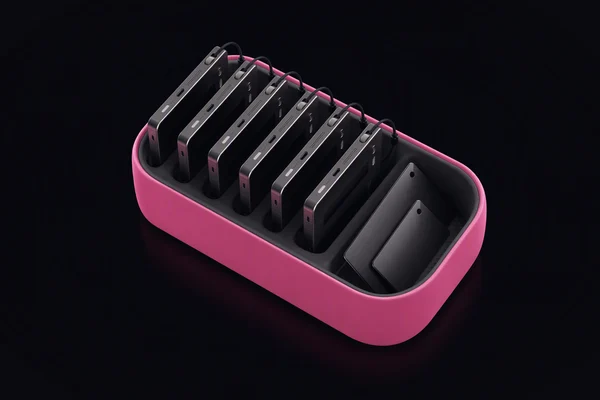
Handing out devices from a box on a Monday is not a rollout. What giving a team KyberDeck takes: one identity per person, a leaver process and spares.
Most failed deployments fail in the first week, when nobody writes down what done means. The steps of a Kyber deployment, from the first call to the handover.
A bigger server for one busy week, or all your data in a rented cloud: both are the wrong answer. How to decide, job by job, when a company should borrow compute.
Every company already runs on rules, and most of them are unwritten. What has to be written down before agents act for a business, and how to write it.
The licence was never the expensive part. Here is where the money actually goes, and how to decide whether running it yourself is cheaper than paying somebody.
A support contract on software the vendor does not own is a different promise from one on software they do. Here is what can honestly be committed to.
Nobody negotiates the exit while signing, which is exactly why it should be negotiated then. It is the only clause you have leverage over.
A services business whose revenue depends on the customer not understanding the system has an incentive problem it will eventually act on.
Support processes were built for software that crashes. An SI system that is confidently wrong produces no error, no stack trace and no obvious owner.