No price list: where a Kyber deployment quote comes from
Open-source deployments do not come with a price list. Here is how an honest quote is built, what inflates it, and what a customer can do to make it smaller.
- pricing
- procurement
- deployment
Pre-launch · a Kyber branch · services
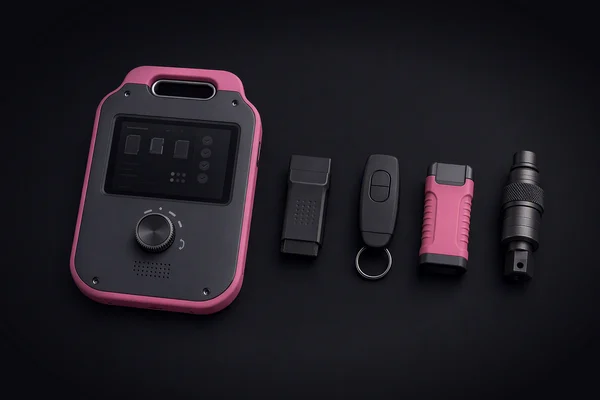
kyber tis --deploy iosKYBERTIS is the company behind the open Kyber systems. The code is open and free to run yourself. What we sell is getting it into production in your business, keeping it there and being the name on the contract: most often KYBERIOS on your own server, on a hardened KyberLinux, with written rules for your agents, KyberDeck devices for your team, and support with an SLA and an exit clause.
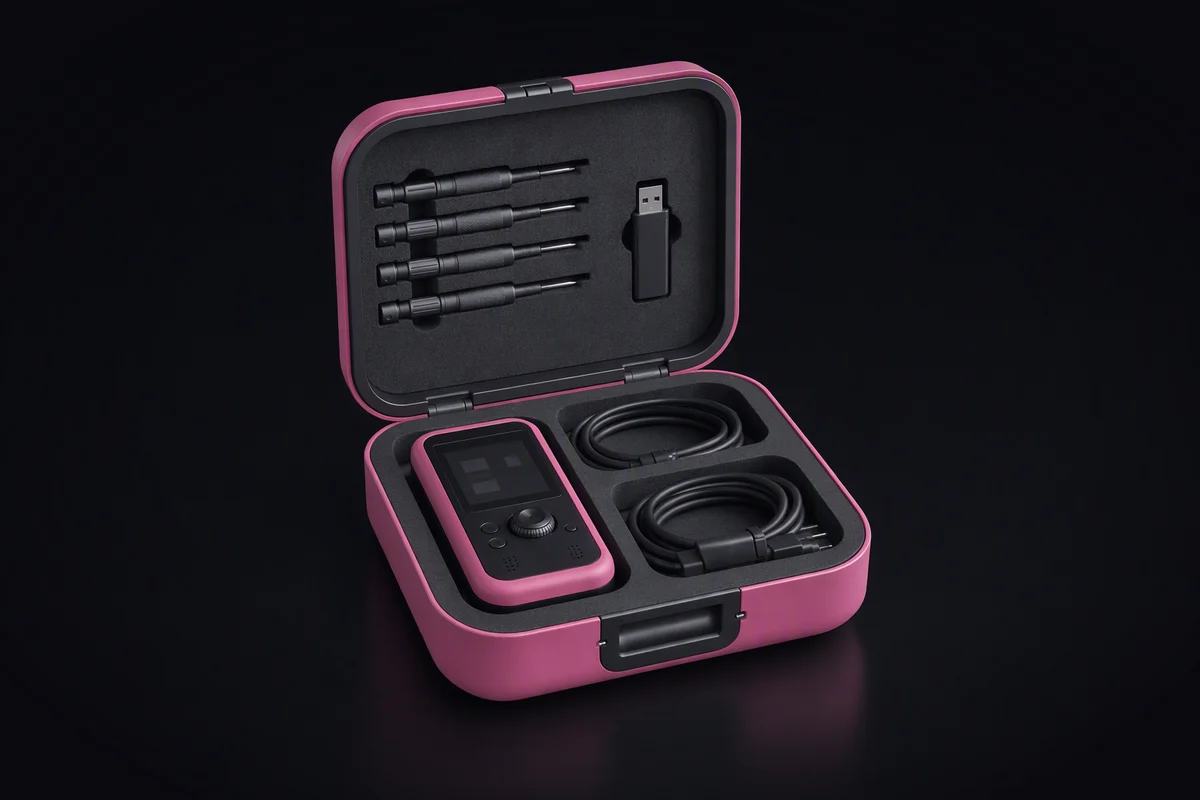
Three costs that appear after the download and never appear in the comparison.
Five layers, from the devices in people's hands to the server in the back room, are a lot to learn while also running a business. Your team spends months on the stack instead of the work, and the licence saves nothing the salaries do not spend twice over.
A community is not an SLA. It is generous, knowledgeable and under no obligation to answer while your warehouse is stopped or an agent has drafted forty wrong invoices.
Plenty of suppliers solve the first two problems by making themselves impossible to leave. You swap a licence for a relationship you cannot exit, which is the opposite of why you chose open systems.
Three phases, and the third one is where the actual relationship is.
What you run now, what would change, what it would cost and what it would save. Written down, with the arguments against doing it included, and an honest no when the Kyber stack is not right for you yet.
KYBERIOS on a server you own, KyberLinux hardened for the threats you actually face, your rules for agents written in plain text, devices and identities for the team. Configuration in your repository from the first day, not handed over at the end.
Support with response times you can hold us to, updates on a schedule, a named person who knows your deployment, and training until your team needs us less. The exit clause stays in force the whole time.
Each line is a promise about how an engagement runs, written the way we intend to document it.
| command | what it does |
|---|---|
| kyber tis audit | Lists what the company runs today, which data lives where, who decides what and what it all costs. The report includes the reasons not to change anything, and it is yours whether or not you go ahead. |
| kyber tis deploy ios | Installs KYBERIOS on the company's own server, beside the programs you already run. It reads first and earns write access one process at a time. |
| kyber tis harden | Brings KyberLinux to a known state: your keys enrolled in the boot chain, least privilege for every service, updates rehearsed on your configuration and rollback tested rather than assumed. |
| kyber tis policy | Writes the company's rules for its agents with the people who hold them today: what may be suggested, what may be done up to which limit, and what waits for a person. Plain text, versioned, in your repository. |
| kyber tis handover | Moves the routine to your team: runbooks, the reasons behind each decision, and hours spent side by side until your people run it without us in the room. |
| kyber tis exit | Hands over everything the exit clause lists, in the formats it names, within the time it names. Written at the start, so leaving is a procedure, not a negotiation. |
Illustrative: the commands describe how we intend to work. They are not a released CLI, and no engagement is open yet.
The code is free. These are the parts that take people.
Most often KYBERIOS on a server the company owns, from audit to a running system. The order is chosen so the risky parts come when you can still turn back, and nothing old is switched off before the new system has been right for long enough.
The system configured against the threat model you actually have, then kept there: keys, network rules, updates and restores checked on a schedule, and the evidence assembled in the form an auditor will ask for.
Your policies for KyberAgent swarms and their KyberCells: which data each agent may see, which network rules each cell gets, which limits apply and what waits for a person. Written with you, enforced below the agents.
KyberDeck rolled out to the team: one identity per person, the right form for the work, spares on the shelf, and a written answer to what happens when someone joins, moves or leaves.
Response times by severity, escalation paths and a named engineer, plus a process for decisions that were wrong as well as systems that crashed. The obligations live in the contract, not on a page about our values.
What we hand over, in what format and within how long, if you decide to run it yourself or move to someone else. Agreed at the start, not negotiated at the end.
Not a sixth layer and not another product. KYBERTIS is the people who put the five layers to work in a business, most often as KYBERIOS, and answer for them afterwards.
kyber stack --from you
Your company's data stays on your ground at every step, and the configuration lives in your repository, not ours. Compute borrowed from KyberFusion is settled in tokens; tokens are planned, we are analysing them under EU law, and this is not an offer.
The first job of most engagements is the server in the back room. KYBERIOS goes onto hardware the company owns, KyberLinux underneath it is set up for the threats you actually face, and the rules your agents work under are written before any agent gets to write anything. Then the work becomes keeping it that way, which is the part a one-off installer never stays for.
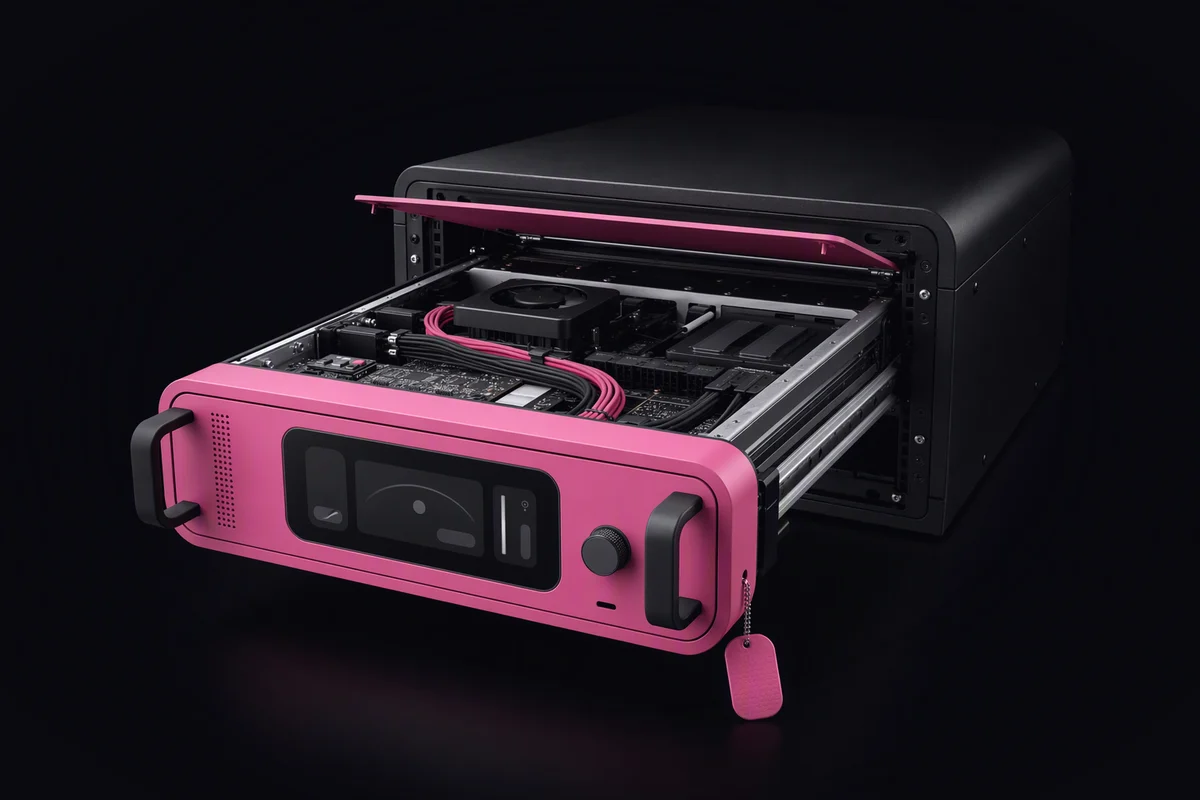
A system that runs orders, stock and cash will sometimes do something unexpected, often without an error message: a confident, wrong decision rather than a crash. Support for it has to start before the incident, with severity defined in business terms, a record of every step and an agreed way to narrow what the agents may do on their own.

A services company with no clients yet earns trust by saying plainly where its edges are.
A services company with no engagements should say so, rather than describing hypothetical ones in the past tense.
Deploying the Kyber systems on our own ground as they are built: KYBERIOS on a KyberLinux server, agents under written rules, devices in daily use. So the first engagement is not also our first deployment.
A small number of companies, chosen for fit rather than size, with the scope, the SLA and the exit written down before anything starts.
The SLA terms, the hardening baseline, policy templates and runbooks published, and other integrators trained on the same material, because one company being the only source of support is exactly the dependency we say we are against.
KYBERTIS is the company behind the open Kyber systems: it deploys them in a business, most often KYBERIOS on the company's own server, hardens KyberLinux, writes the rules for the company's agents, rolls out KyberDeck devices to the team and supports all of it with an SLA and an exit clause written into the contract.
Super Intelligence, the name we use for the whole field. Most of the industry still calls it by an older name, which the footer of every page spells out. We say SI because of what is coming, the most capable tool people have ever had, and because of whom it should belong to. For a business that means the business that uses it, which is only true when it runs on the company's own ground and someone answers for it there.
Because the licence was never the expensive part. Running an unfamiliar stack in production costs months of your team's time and carries a risk nobody has priced. You pay us to compress the first and carry some of the second, and you keep the right to stop paying at any point.
KYBERIOS is the system: the five Kyber layers put together as one operating system for a small business. KYBERTIS is the service: the people who install it, harden it and answer for it. An engagement touches all five layers: KyberDeck devices for the team, a KyberBot for every employee, KyberAgent swarms under the company's rules, KyberLinux on the server and the devices, and KyberFusion when the server is not enough. Both are branches of the same story, not chapters of it.
Response times by severity, escalation paths, a named engineer who knows your deployment, defined maintenance windows, and a process for wrong decisions as well as crashes. There are no figures yet, because there is nobody to answer yet. They will be published before the first engagement rather than negotiated per customer, because an SLA nobody can read before signing is a marketing document.
Yes, and how is written into the contract at the start: what we hand over, in what format and within how long. The software is open, the configuration is yours in version control, the keys are yours, and nothing about the deployment requires us. That is the point of building on open systems.
No. The projects stay open and usable without us; KYBERTIS is one way to get them running in a business, not the only one. If we ever make the open version deliberately harder to use in order to sell services, hold us to this paragraph.
The Kyber story is about whom intelligence belongs to. Its answer is open systems: hardware you can open, an assistant whose memory is yours, agents in cells you can inspect, an operating system you can verify and a network its members own. Open is necessary. It is not the same as running.
A company that runs its orders, stock and cash on SI needs more than a public repository. It needs the system installed, hardened and kept in a known state, rules written down for its agents, devices in the right hands, and someone who picks up when something goes wrong at night. Open code makes that someone replaceable, which is exactly why they are worth having: accountability you can walk away from is the only kind that stays honest.
KYBERTIS is not a chapter of that story but a branch of it: the people who put the five layers to work in a business and answer for them afterwards. The story itself starts with something you can hold in your hand, and that is chapter one.
Open-source deployments do not come with a price list. Here is how an honest quote is built, what inflates it, and what a customer can do to make it smaller.
A support contract should include a periodic review with a fixed agenda. Here is what that agenda should contain, from the rules the agents run under to a rehearsed exit.
A company that builds its field work on Android XR glasses builds on one vendor's platform. How to keep the data, the logic and the contract ready to leave.
The waitlist goes live soon. Until then, the blog explains how we intend to work: the deployment, the hardening, the rules for agents, the devices and the exit.
No form yet, no data collected — just come back.